
Understanding the psychological triggers that drive gambling behavior
The Allure of Risk and Reward
The thrill of gambling is often tied to the psychological concept of risk and reward. This fundamental human instinct drives individuals to seek out experiences that offer the possibility of a substantial payoff. In a gambling context, this interplay is especially compelling; players are drawn to the potential of winning big, which can create an exhilarating rush. The anticipation of reward, whether it be financial or psychological, serves as a powerful motivator that keeps players returning for more. Many find themselves exploring platforms like https://mafiacasinos-cz.com/, intrigued by the latest trends in casino design and their offerings.

Moreover, the excitement associated with gambling can activate the brain’s pleasure centers. When players win, their brain releases dopamine, a neurotransmitter that enhances feelings of pleasure and satisfaction. This biological response creates a cycle where the more one gambles, the more one craves that «high.» Consequently, players may find themselves caught in a loop of chasing this adrenaline rush, making gambling a compelling and often addictive activity.
Additionally, the structure of many gambling games is designed to exploit these psychological triggers. For instance, slot machines often employ near-miss scenarios, where a player is tantalizingly close to winning but falls short. This phenomenon taps into the human propensity to overestimate their chances of success, leading players to keep playing in hopes of achieving that elusive win. Understanding these psychological aspects can provide insights into the addictive nature of gambling behavior.
The Role of Social Influence
Social dynamics play a significant role in shaping gambling behavior. Many individuals are motivated to gamble due to peer influence or societal norms that portray gambling as an entertaining and acceptable form of leisure. When surrounded by friends or family who engage in gambling, an individual may feel compelled to join in, thus participating in shared experiences that enhance their enjoyment. This social aspect often lowers the barriers to entry, making it easier for individuals to embrace gambling.
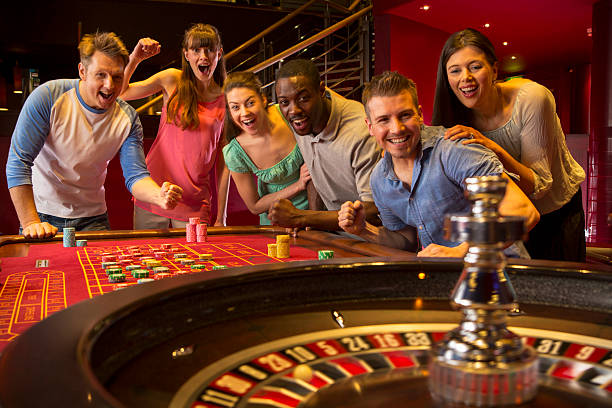
Furthermore, gambling venues are often designed to foster social interaction. Casinos typically feature lively atmospheres, complete with bright lights, sounds, and communal spaces where people can celebrate wins together. This environment encourages people to gamble not just for personal gain but for the camaraderie and connection it can provide. The social validation from peers can create a sense of belonging, reinforcing the individual’s desire to gamble.
However, while social interactions can enhance the enjoyment of gambling, they can also lead to risky behaviors. Players may feel pressure to keep up with their peers or to gamble beyond their financial means to maintain their social standing. This complexity of social influence highlights the need for awareness around responsible gambling practices, especially in environments where social dynamics can amplify risk-taking behaviors.
Cognitive Biases and Illusions of Control
Cognitive biases significantly affect how individuals perceive and engage in gambling activities. One of the most prominent biases is the illusion of control, where players believe they can influence the outcome of a game despite it being based entirely on chance. This psychological phenomenon leads many to underestimate the risks involved, as they feel a false sense of mastery over random outcomes. This mindset can result in increased gambling frequency, as players believe they are capable of turning their luck around.
Additionally, the gambler’s fallacy—a common cognitive bias where individuals believe that past outcomes will influence future events—can also shape gambling behavior. For example, if a player has experienced several losses, they may mistakenly believe that a win is «due» to occur, prompting them to continue playing. This misunderstanding of probability can lead to prolonged gambling sessions and heightened losses, as players chase their losses in hopes of eventually breaking even.
These cognitive biases are not only integral to individual decision-making but are also frequently leveraged by gambling establishments. Many games are designed to create a sense of near-wins or other illusions that stimulate continued play. By understanding these biases, players can cultivate a more informed approach to gambling and mitigate the risks associated with these pervasive psychological triggers.
The Impact of Advertising and Marketing
Advertising and marketing strategies also significantly influence gambling behavior by exploiting psychological triggers. The imagery and narratives presented in promotional materials often emphasize excitement, luxury, and the possibility of life-changing winnings. Such marketing tactics are designed to create a sense of urgency and appeal to an individual’s fantasies and desires, leading them to view gambling as an enticing option for recreation.
Moreover, the use of celebrities or influencers in advertising campaigns can enhance relatability and appeal. When a well-known figure endorses a gambling platform or product, it can boost credibility and desirability, influencing individuals to engage in gambling. This can be particularly impactful for younger audiences, who may be more susceptible to the allure of celebrity culture and its associated lifestyles.
Furthermore, the frequent promotion of bonuses and free spins further exploits psychological triggers. These incentives can create a perceived value that encourages individuals to gamble more than they might otherwise. The understanding that they can play for longer without financial risk can lead to an increase in gambling frequency, making it essential for individuals to remain mindful of their gambling habits and the potential consequences of exposure to aggressive marketing tactics.
Responsible Gaming at Mafia Casino
At Mafia Casino, understanding the psychological triggers that drive gambling behavior is central to promoting a safe and enjoyable gaming experience. With a commitment to responsible gaming, the platform emphasizes player education about the risks associated with gambling. By providing resources and tools, such as self-assessment tests and spending limits, Mafia Casino encourages players to make informed choices and gamble responsibly.
Additionally, Mafia Casino fosters a secure environment by implementing stringent measures to protect its users. From employing advanced encryption technologies to ensure data safety to offering support for those who may develop gambling-related issues, the platform is dedicated to prioritizing player well-being. Regular promotions and bonuses are designed not only to enhance enjoyment but also to keep player safety in mind.
By combining entertainment with an emphasis on responsible gaming practices, Mafia Casino aims to create a holistic gaming experience. By understanding the psychological triggers that drive gambling behavior, players can navigate their gaming journeys more wisely, making informed decisions that enhance their enjoyment while minimizing risk. This approach sets Mafia Casino apart as a leader in promoting safe and responsible online gaming.

Aún no hay comentarios, ¡añada su voz abajo!